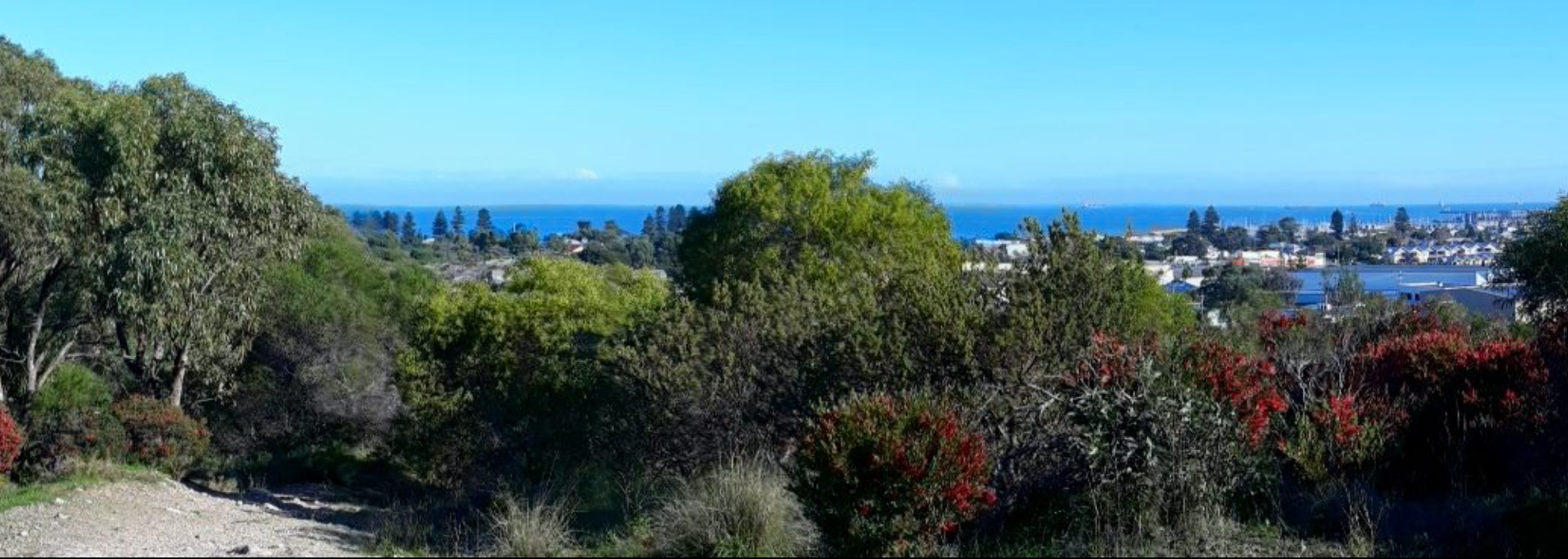
Clontarf Hill is unique in that it is the only remaining natural limestone hill at the southern end of the Fremantle area with views west across the Indian Ocean and offshore islands, as well as coastal views north and south including Fremantle and its Port. Clontarf Hill contains one of the only remaining stands of old-growth Tuart trees in the Fremantle area and forms part of essential habitat linkages for native flora, fauna and birds. The site has significant Indigenous, European, and ecological heritage value
Eucalyptus gomphocephala, (aka Tuart). The Noongar peoples named the tree tuart or tooart, moorun or mouarn and Aboriginal people valued tuart woodlands as grounds for hunting and gathering and used bark from the trees to make weapons and tools.The dominant canopy on Clontarf Hill is the tuart. It is one of the six forest giants of Southwest Australia. Tuart forest was common on the Swan coastal plain.
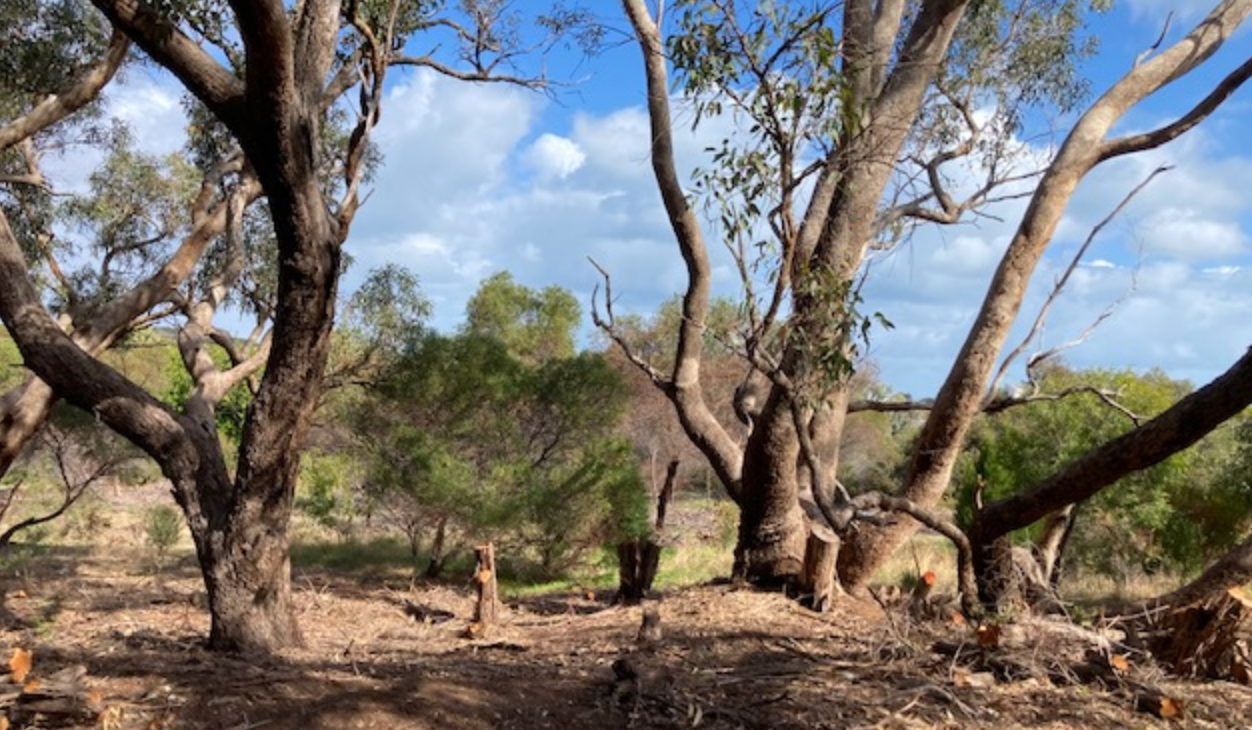
Remnants of tuart forest occur in state reserves and parks. The DBCA estimates that before Europeans arrived there were more than 111,600 hectares of Tuart woodland.
The map shows the distribution of tuarts in WA. 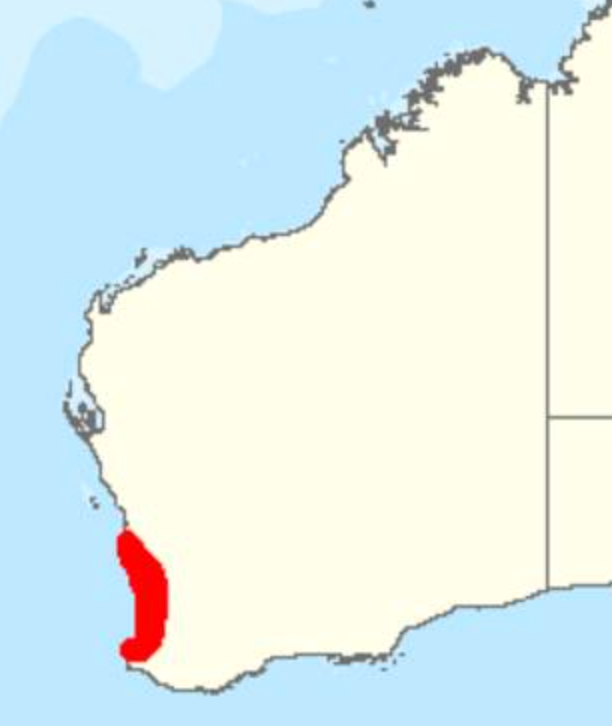
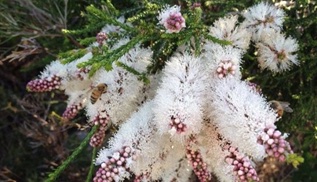
The eastern edges of the reserve is predominantly heath and low scrub dominated by Melaleuca huegelii. The Honeymyrtle shrubland on limestone ridges of the Swan Coastal Plain Bioregion ecological community is listed in the Critically Endangered category of the threatened ecological communities list under the Environment Protection and Biodiversity Conservation Act 1999.
Corridor
Aboriginal Heritage
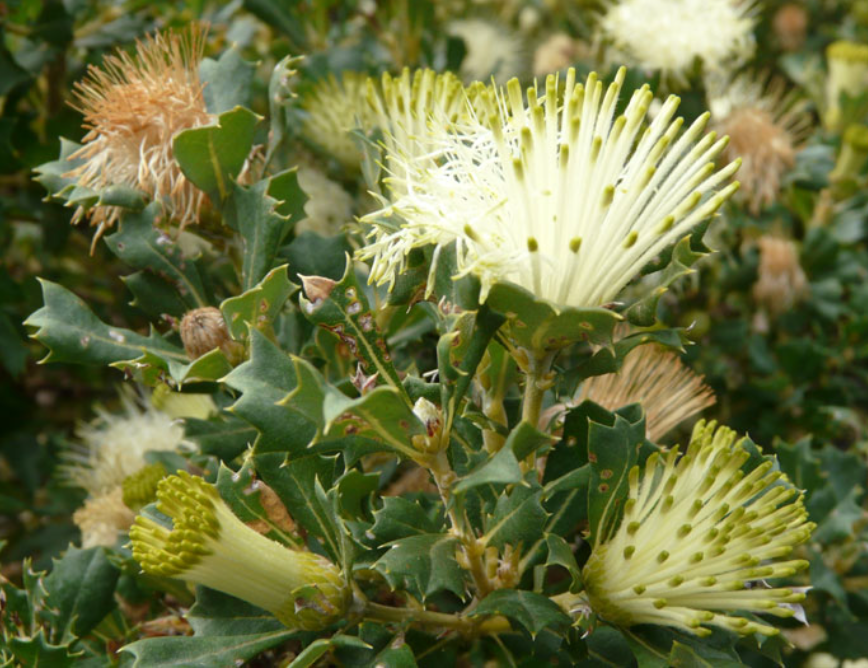
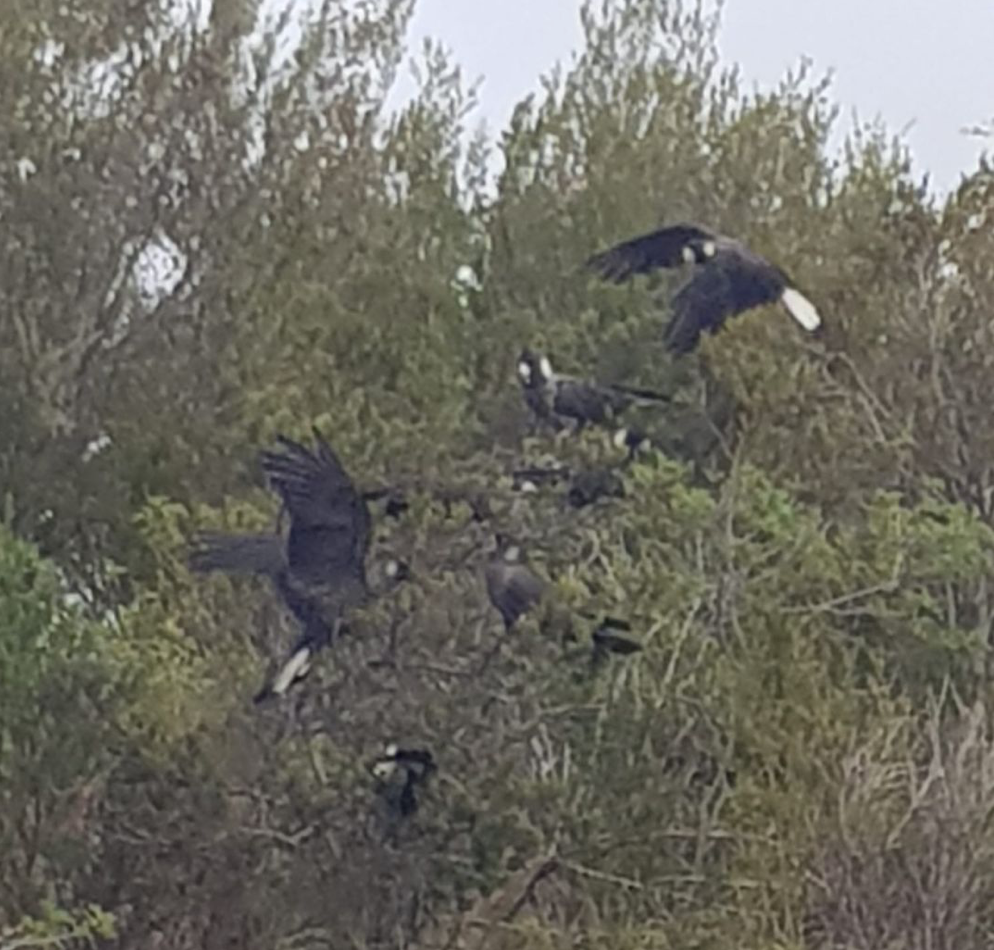
Clontarf Hill is now a registered Aboriginal Heritage site. The northern section is vested in the Noongar Boodjar Trust. This section of the hill is dominated by Boojak, budjan or butyak (Banksia sessilis), commonly known as parrot bush. It is a species of shrub or tree in the plant genus Banksia of the family Proteaceae. It flowers from late autumn to late Spring, and the seeds are eaten by the endangered Carnaby’s Black Cockatoo and ringneck parrots.
Whadjuk Nyoongar have lived for over 40,000 years in the vicinity of Derbal Nara or Cockburn Sound. Mythological stories relate Clontarf Hill as being part of a limestone ridge that was created by the Waugal, the sacred rainbow serpent. The hill holds the story of a mother and her two sons who are the protectors of Derbal Nara (Cockburn Sound), and who protect Derbal Nara from the Booyl-a-gatak, or sorcery coming from the north-west.
To find out more about the Aboriginal heritage of the Clontarf Hill area go to the Aboriginal Heritage Enquiry System or Derbal Nara.
If you wish to find out more about Aboriginal connection to the area go to the Early European and AboriginalHeritage Study – Hamilton Hill Swamp Precinct
History of Clontarf Hill
Read about the history of Clontarf Hill
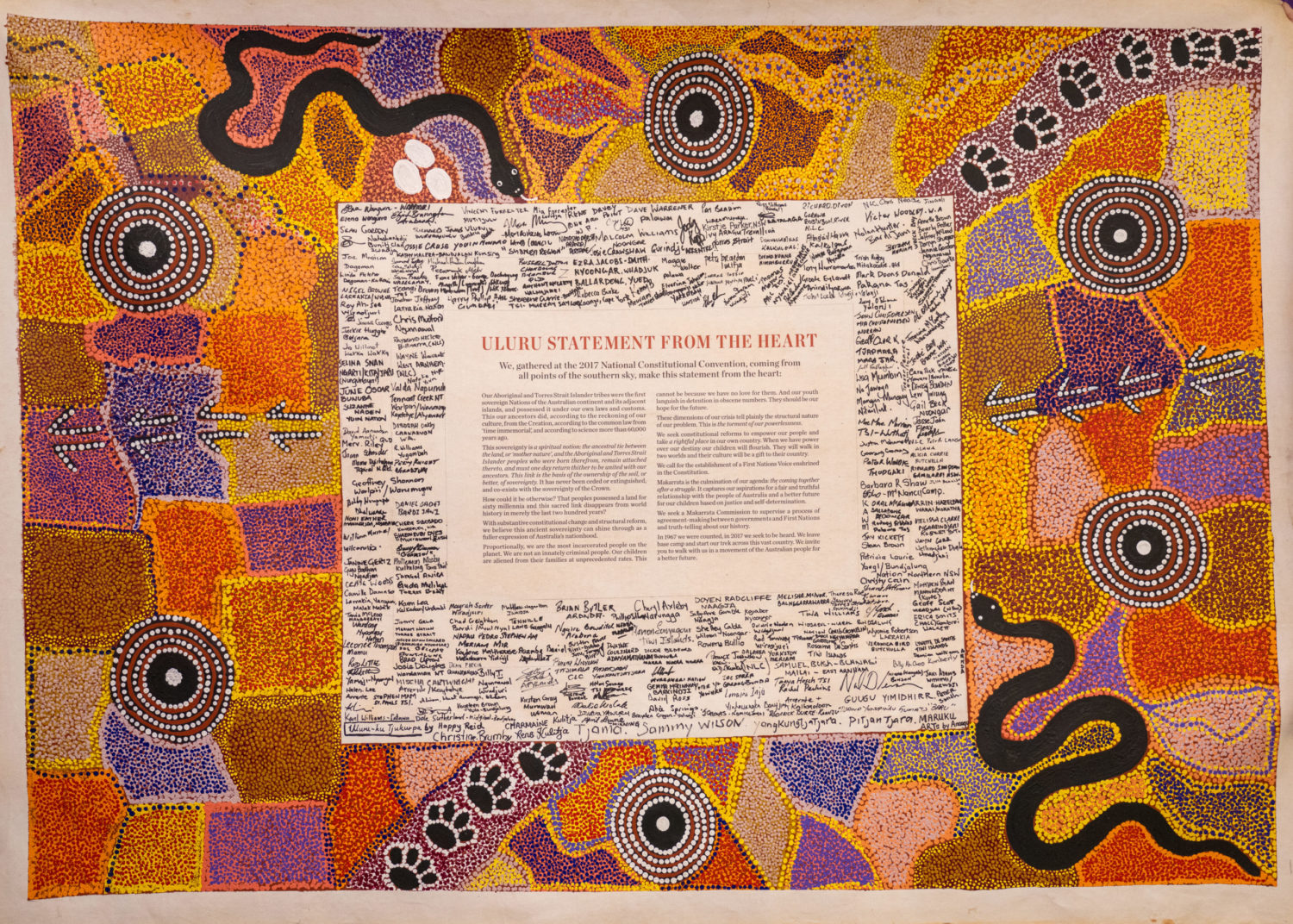

We acknowledge and pay respect to the Whadjuk Noongar elders past and present whose land was never ceded.